


Key Takeaways for Moms
- Each baby’s feeding pattern is unique, trust your instincts.
- Keep feeding safe with clean, sterilized bottles and utensils.
- Both homemade and packaged foods can work well in balance.
- Working moms can manage feeding smoothly with stored milk.
- Simple, consistent care helps your baby grow happy and healthy.
Feeding your baby is a special part of early motherhood, filled with love, patience, and discovery of your baby’s feeding patterns, nutritional needs, and the gentle routines that support healthy growth. It’s not just about food but also about love, learning, and daily comfort between a mother and baby. Many moms feel unsure, worrying about milk supply, underfeeding, or guilt over using formula or packaged food. The truth is, every baby’s feeding pattern is unique, and that’s perfectly normal.
Indian parents often balance traditional advice with modern nutrition guidelines, and this guide offers a practical baby feeding chart month by month, in ml, and by age and product suggestions to make feeding easier and more confident for real Indian families.
1. Baby Feeding Chart by Month (in ml)
Every baby develops their own feeding rhythm. These values are gentle guidelines to help you understand average intake and mealtime frequency through each stage of your baby’s first year.
| Baby’s Age | Milk (Breast/Formula) | Feeds per Day | Solids / Indian Foods |
|---|---|---|---|
| 0-1 Month | 30 - 60 ml per feed | 8-12 times | - |
| 1-3 Months | 60 - 120 ml per feed | 7-9 times | - |
| 4-6 Months | 90 - 150 ml per feed (≈700 - 900 ml/day) | 6-8 times | 1 soft meal (2 - 3 tbsp) – rice cereal, dal water, or ragi |
| 6-9 Months | 500 - 750 ml/day | 5-6 times | 2 - 3 meals such as mashed khichdi, fruit puree, paneer, curd, boiled veggies |
| 9-12 Months | 400 - 600 ml/day | 3-5 times | 3 family meals + 1 snack: dal rice, upma, poha, chapati with ghee, soft fruits |
Feeding times and quantities will change as your baby grows, learns to chew, and explores new textures. Use Me n Moms Feeding Bottles & Teats for safe milk feeds and Bottle Warmers & Sterilizers to keep every mealtime simple and hygienic.
Our Recommendations

2. Newborn Feeding Schedule (0-4 Weeks)
Newborns usually feed 8-12 times a day, often waking through the night for short, frequent feeds. Many moms feed their babies watching the clock, but instead of that, look for your baby’s hunger cues like gentle rooting, restlessness, or sucking motions. In the early weeks, babies often go through growth spurts or cluster feed at night, which can leave moms feeling tired or unsure about milk supply.
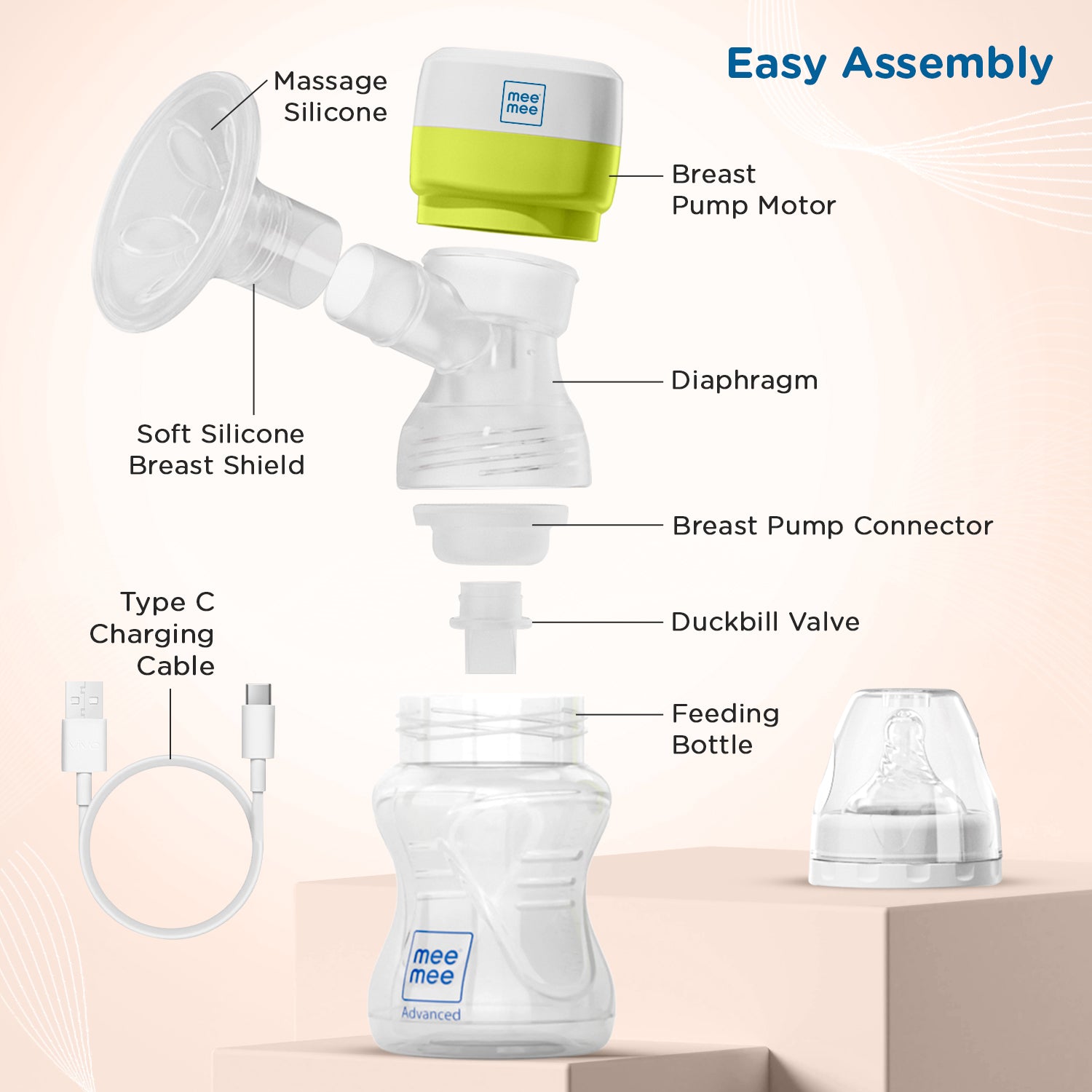
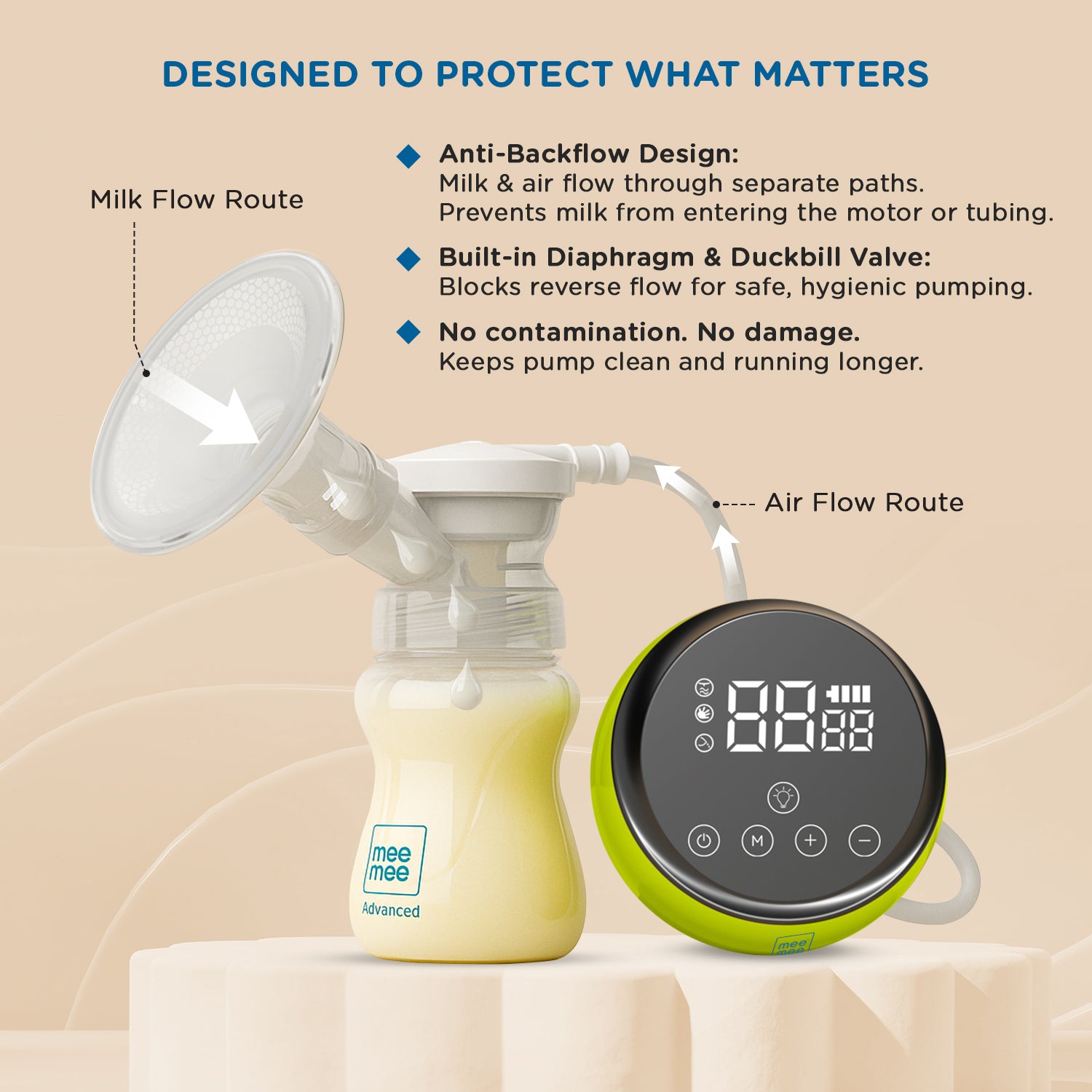
Frequent feedings are completely normal and help your body produce more milk. Keep yourself comfortable and supported with Me n Moms Breast Pumps & Accessories for easy milk expression, and make every feed cleaner and cozier with soft, absorbent Bibs & Napkins designed for new moms and their little ones.

3. Baby Feeding Chart (1-3 Months)
Between one and three months, babies take about 60-120 ml per feed, 7-9 times a day. Feeding patterns become a bit more predictable, though some babies still wake at night. Short periods of extra hunger during growth spurts are normal. Many moms feel anxious about their milk supply or guilty about bottle-feeding.
But what matters most is that your baby is content and growing, whether through breastfeeding, formula feeding, or a mix of both. Keep feeding safe and convenient with Me n Moms Feeding Bottles designed for easy latch and comfort. Maintain hygiene using Burp Cloths & Bibs for clean feeding sessions, and ensure bottles stay germ-free with Bottle Cleaning Brushes for proper care after every feed.


4. Milk Intake & First Solids (4-6 Months)
Continue giving 700-900 ml of milk per day during 4 to 6 months while slowly introducing soft, iron-rich first foods such as rice cereal, dal water, or ragi porridge. You can start with a few spoonfuls once a day and increase gradually as your baby shows interest. Many moms feel unsure about food adulteration or whether to choose packaged or homemade mixes. Both can be safe when handled properly.
Mini Safety Note:
Always rinse and dry grains before use, buy from trusted local sources, and store them in airtight glass or steel containers to keep them fresh and free from moisture.
You can make this milestone of your baby easier with Me n Moms Spoons, Bowls & Containers, comfortable High Chairs & Feeding Chairs, and easy-to-clean Baby Bibs & Wipes for happy, mess-free mealtimes.
Our Recommendations

5. What to Feed Your Baby (6-9 Months)
Babies, at this stage, in 6 to 9 months, need around 500-700 ml of milk per day along with 2-3 meals such as mashed dal, fruits, paneer, curd, and vegetables. It is when babies become more curious about food textures and start exploring new flavors, so introduce foods slowly and one at a time.
Encourage your baby to try eating with a spoon or fingers and enjoy the mess that comes with learning. Offer small sips of cooled, boiled water throughout the day. It’s also a good time to establish a routine with consistent meal and milk times to help your baby feel secure and satisfied throughout the day.
6. What to Feed Your Baby (9-12 Months)
By this stage, your baby can enjoy 3 family meals a day along with 400–600 ml of milk. Offer soft family foods like dal rice, poha, upma, fruits, or chapati with ghee. Include finger foods to help your baby eat more independently.
Many parents feel pressure to make their baby eat more or worry if their weight gain is slow. Don’t stress. Every baby grows at their own pace. Focus on healthy foods and follow your baby’s hunger signals.
Keep mealtime easy and fun with Me n Moms High Chairs, safe Sippers & Cups, and adorable Baby Fashion Clothes that make feeding time happier and more comfortable.


Working Mom Feeding Routine
Balancing work and feeding can feel challenging, but a simple plan can help both you and your baby stay happy and in rhythm. Express milk in the morning before leaving for work and store it in sterilized, labeled containers for daytime feeds. During the day, a caregiver can feed your baby safely from the stored milk, and in the evening, enjoy a calm feeding or mealtime together to reconnect.
To make this smoother, use Me n Moms Breast Pumps & Storage Bottles for easy milk expression and Bottle Sterilizers to keep everything hygienic. With the right tools and routine, working moms can continue feeding with confidence, love, and peace of mind.
Packaged vs Homemade - What Indian Moms Should Know
Both homemade and packaged baby foods can be healthy when chosen carefully. Packaged options are more about convenience, especially on busy days, but always check the label.
Quick Checklist:
- Make sure to choose foods with no added sugar or salt.
- Look for products made with healthy oils, such as ghee or olive oil.
- Store safely in airtight containers, away from heat and moisture.
- Check the expiry date and avoid anything with artificial flavors or colors.
Many moms feel bad about giving packaged food or worry it’s not pure, but a mix of both works best. Use packaged food when you’re busy and homemade meals when you can. Both help your baby stay healthy and happy. Stay safe and prepared with Me n Moms Feeding Accessories, easy-to-clean Food Feeders & Pacifiers, and reliable Bottle Sterilizers for everyday hygiene.

Conclusion
Every Indian mother’s feeding journey is unique, and there’s no single right way to do it. Whether you breastfeed, use formula, or combine both, what matters most is that your baby feels loved, nourished, and happy. Small, mindful choices each day build healthy eating habits that last a lifetime.
Every child grows differently, so use the baby feeding chart by weight and age as a gentle guide, not a strict rule. Make feeding safer and simpler with Me n Moms Feeding Essentials, from soft Feeding Bottles & Teats to trusted Bottle Warmers & Sterilizers for everyday comfort and care.
